Ancient Origins of Sound Healing
- Sound healing dates back over 40,000 years, with Australian Aborigines using the didgeridoo to treat illnesses through deep vibrations and tones.
- In ancient Egypt (around 3000 BCE), priests used chants and vocal sounds in temples to restore balance and heal the body.
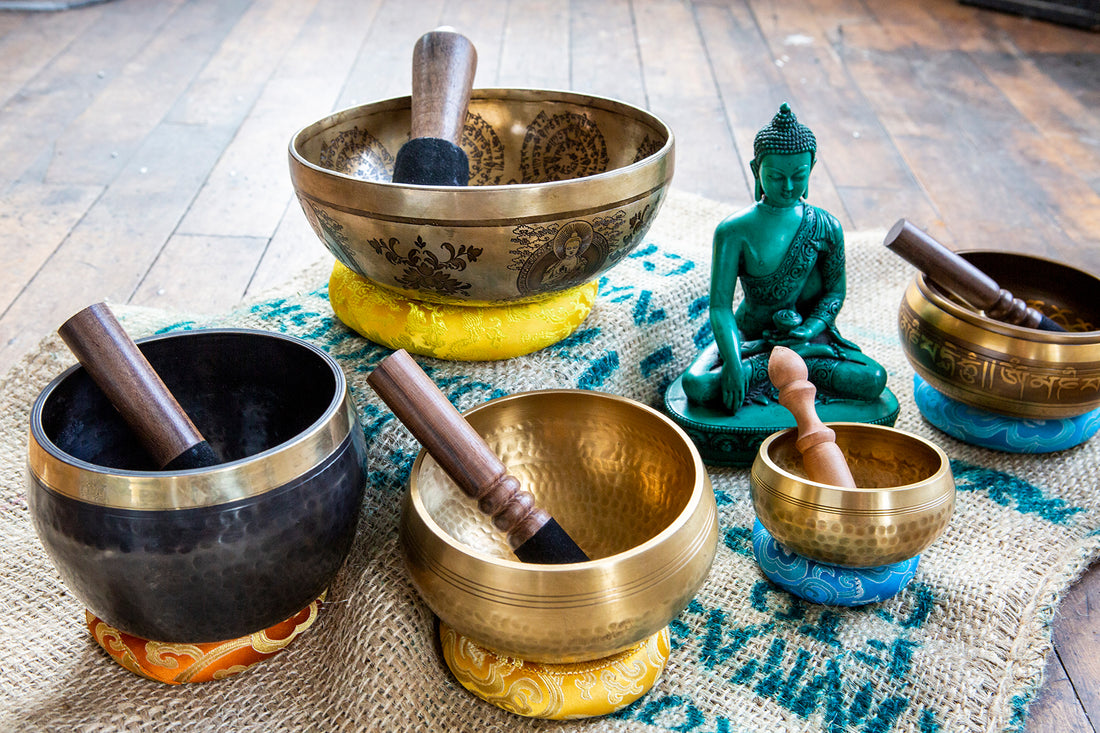
- Tibetan and Himalayan cultures employed singing bowls, which produce resonant tones for meditation and healing, affecting both auditory perception and physical vibrations.
- In India, Nada Yoga involved mantras and instruments like the sitar to harmonize chakras, blending auditory sounds with vibrational effects.
Classical Antiquity and Greek Contributions
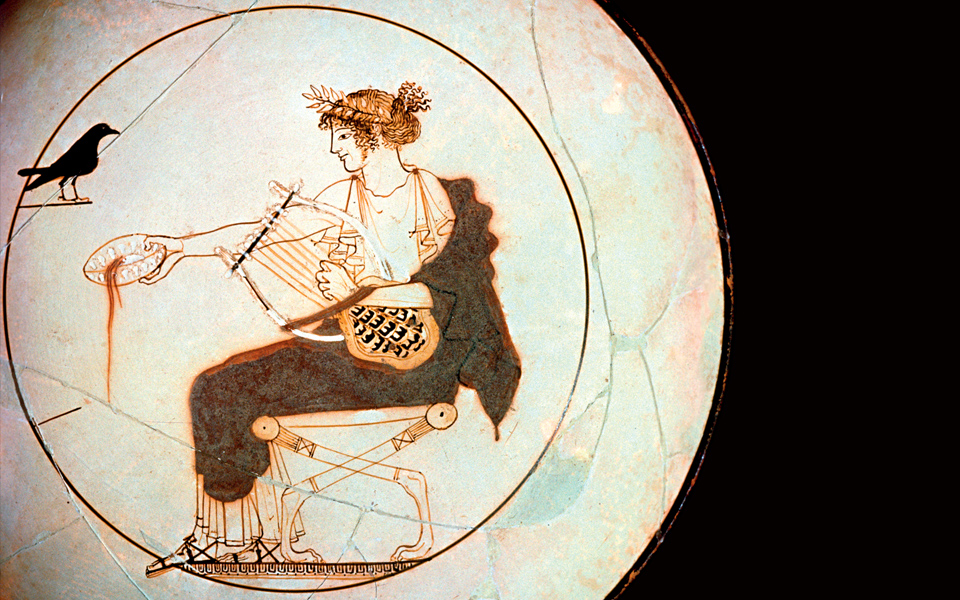
- Ancient Greeks, including Pythagoras (around 500 BCE), viewed music as a way to heal the soul and body, using specific scales and rhythms to treat emotional and physical ailments.
- Hippocrates prescribed music in healing temples, where harmonious sounds were believed to align the mind and restore health through auditory stimulation.
- These practices focused on auditory effects like melody and harmony, but also recognized vibrations from instruments like lyres for deeper therapeutic impact.
Modern Developments in Music Therapy

- In the 19th century, advancements in acoustics led to formal music therapy, used in Europe and the US for emotional rehabilitation and stress reduction.
- By the 20th century, music therapy became a recognized field, applied in hospitals for physical and mental health, often through listening to recorded sounds or live performances.
- Pioneers like Peter Guy Manners researched sound frequencies to address stress, viewing the body as an “orchestra” needing harmony via auditory inputs.
Emergence of Vibroacoustic Therapy
- In the late 20th century, vibroacoustic therapy evolved, using low-frequency vibrations delivered through special beds or loungers to directly affect the body’s tissues.
- This combines auditory sound with tactile vibrations, promoting relaxation, pain relief, and improved sleep, building on ancient ideas but with modern technology like binaural beats.
- Recent innovations, such as the Mind-Sync Vibro-Acoustic Lounger, integrate sound waves for holistic wellness, supported by research on vibration’s physiological effects.
Auditory Healing: The Power of Perceived Sound
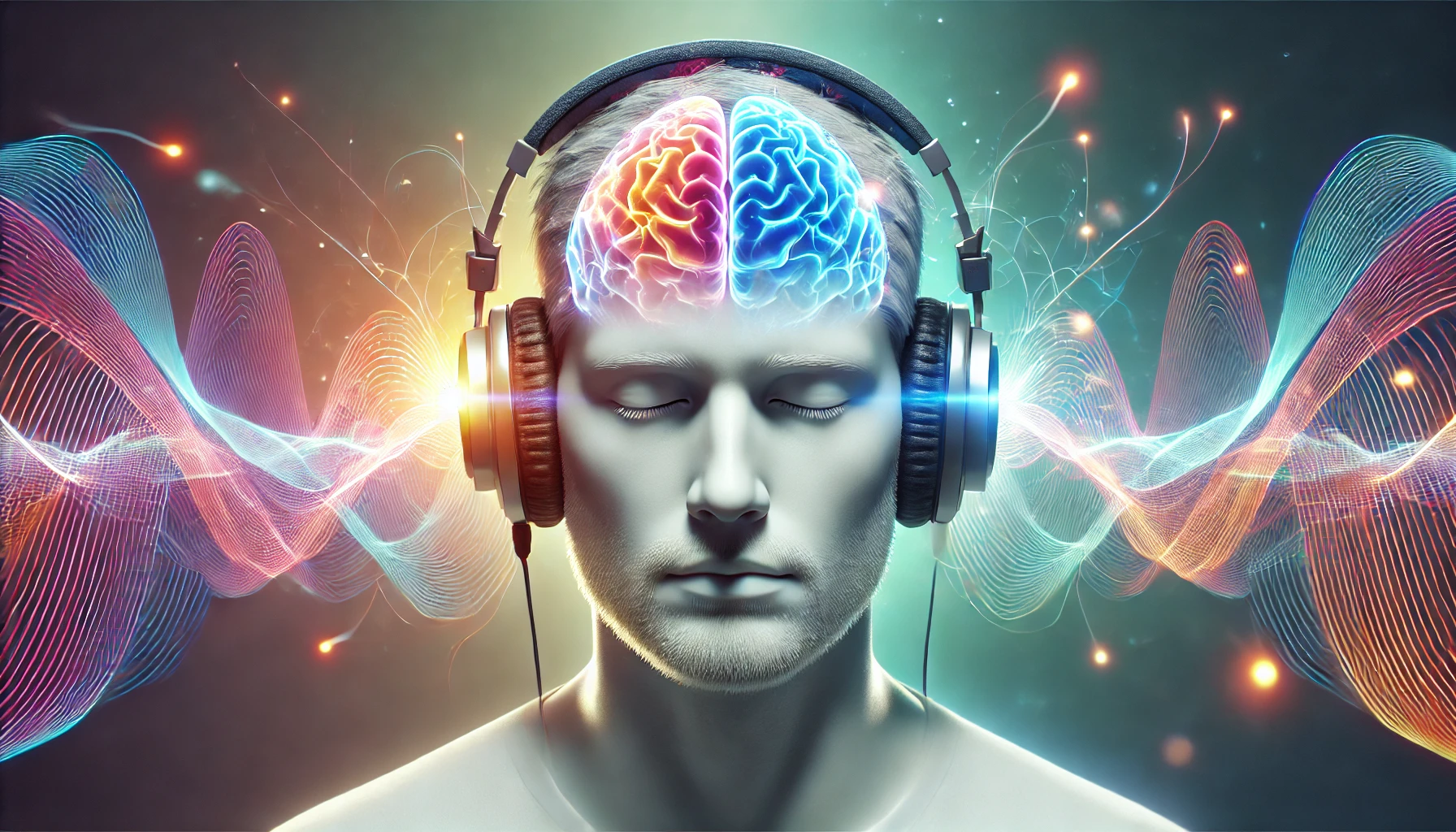
Auditory healing focuses on sounds we consciously hear, engaging the ears and brain to influence emotions, cognition, and physiology. It primarily affects the auditory system, triggering responses like relaxation or mood elevation through music, tones, or voices. Unlike vibroacoustic methods, which emphasize physical vibrations, auditory healing relies on perception and interpretation of sound waves.
Types of Auditory Healing
Auditory healing encompasses a variety of techniques, each tailored to specific needs:
- Music Therapy: Divided into active (where participants create music, e.g., playing instruments or singing) and receptive (listening to curated music). It uses rhythm, melody, and harmony to address psychological issues.
- Sound Baths: Immersive experiences where participants relax while surrounded by sounds from gongs, chimes, and singing bowls, promoting deep meditation.
- Binaural Beats: An auditory illusion created by playing slightly different frequencies in each ear, perceived as a third tone. This entrains brainwaves for states like relaxation or focus.
- Gong Therapy: Utilizes the rich, overtone-filled sounds of gongs to induce trance-like states and release tension.
- Singing Bowl Therapy: Crystal or metal bowls produce sustained tones that harmonize energy centers in the body.
- Chanting and Vocal Toning: Involves repetitive vocal sounds or mantras to stimulate internal resonance and emotional release.
- Tuning Fork Therapy: Calibrated forks emit precise frequencies applied near or on the body for targeted auditory stimulation.
Modern Applications of Auditory Healing
In contemporary settings, auditory healing is integrated into healthcare, wellness, and education. Music therapy is used in hospitals to reduce stress, manage PTSD, and aid emotional rehabilitation during treatments like chemotherapy or surgery. Sound baths and binaural beats are popular in wellness centers for improving sleep, pain management, and anxiety relief. In addiction recovery, these methods calm the nervous system and support emotional processing. Corporate environments employ them for stress reduction, while schools use rhythmic activities to enhance focus and social skills. Digital tools, like apps delivering binaural beats, make auditory healing accessible for daily self-care.
Vibroacoustic Healing: Feeling the Vibrations
Vibroacoustic healing, or vibroacoustic therapy (VAT), combines low-frequency sound with physical vibrations transmitted directly to the body. It goes beyond hearing by using transducers in devices to create a “internal massage” effect, influencing cells, tissues, and the nervous system. This modality targets physiological responses, such as reducing inflammation or recalibrating neural pathways.
Types of Vibroacoustic Healing
While VAT is a unified approach, it varies by design and frequency focus:
- Full Frequency Music (FFM): Integrates music across a broad spectrum with vibrations for holistic emotional and physical benefits.
- Selective Low Frequency (SLF): Focuses on 20-135 Hz for targeted physical therapy, like muscle relaxation or pain relief.
- Quantified Mechanical Vibration (QMV): Uses precise, measured vibrations for clinical applications, often in rehabilitation.
- Device-Based Variations: Includes beds, chairs, mats, pillows, or wearables like wristbands and backpacks, allowing for portable or immersive sessions.
Modern Applications of Vibroacoustic Healing

VAT has gained traction in clinical and wellness contexts. It’s used for chronic pain management, anxiety, insomnia, and trauma recovery by stimulating the vagus nerve and promoting deep relaxation. In physical therapy, it enhances range of motion post-surgery, like knee replacements. Mental health applications include mood stabilization and sensory stimulation for developmental disabilities. Naturopathic practices employ it to reduce inflammation at the cellular level, while sound beds in spas offer stress relief. Emerging tech integrates VAT with biofeedback for personalized treatments.
Embracing Sound for Holistic Wellness
Sound healing bridges ancient wisdom and modern science, offering accessible tools for anyone seeking balance. Whether through the melodic embrace of auditory therapies or the deep resonance of vibroacoustic methods, these practices remind us that healing can be as simple as tuning in. As research expands, sound may become a staple in integrative medicine. If you’re in Albuquerque or beyond, consider exploring local sound baths or therapy sessions to experience it firsthand—your body and mind might just hum with gratitude.